2012 Forest Cover
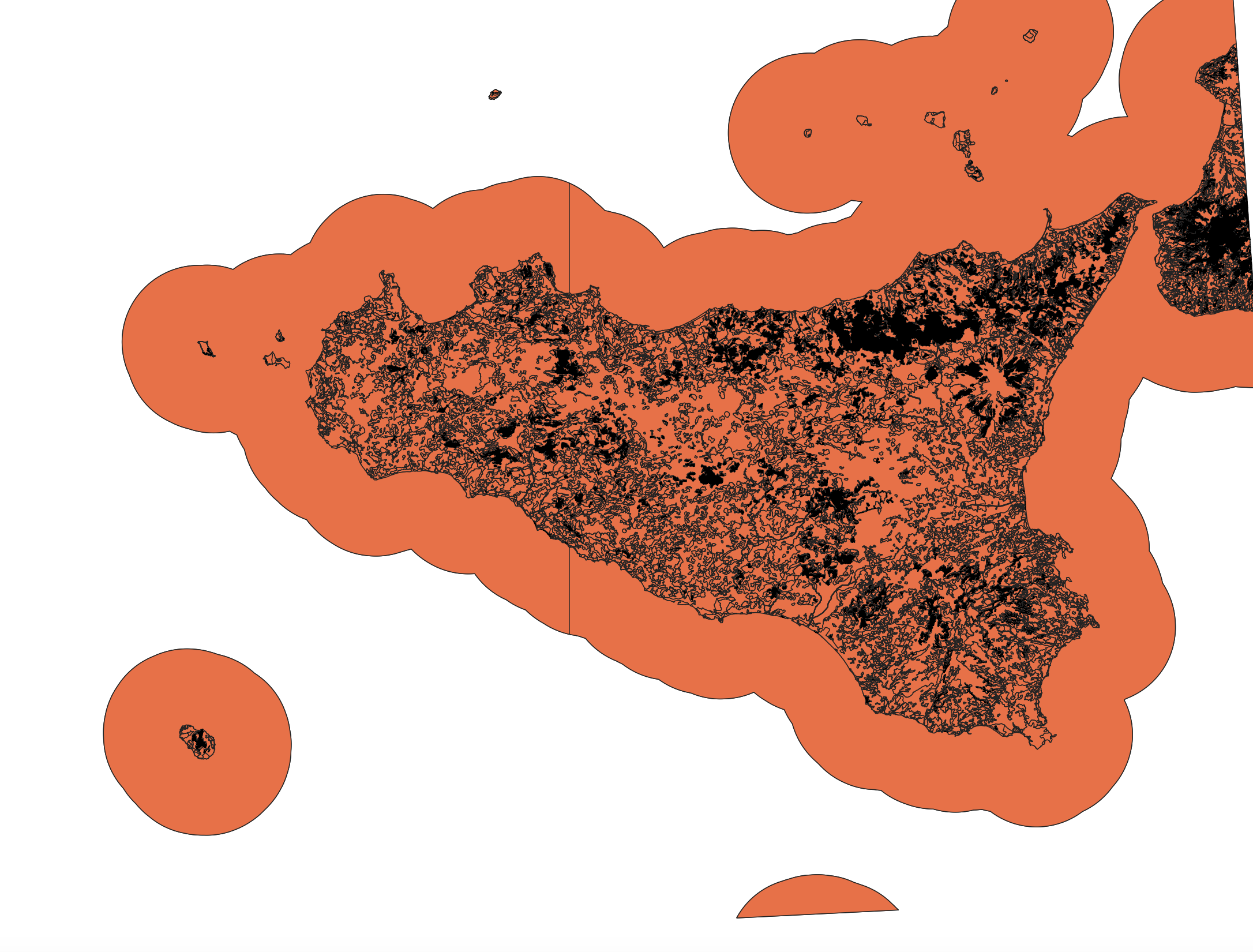
2018 Forest Cover
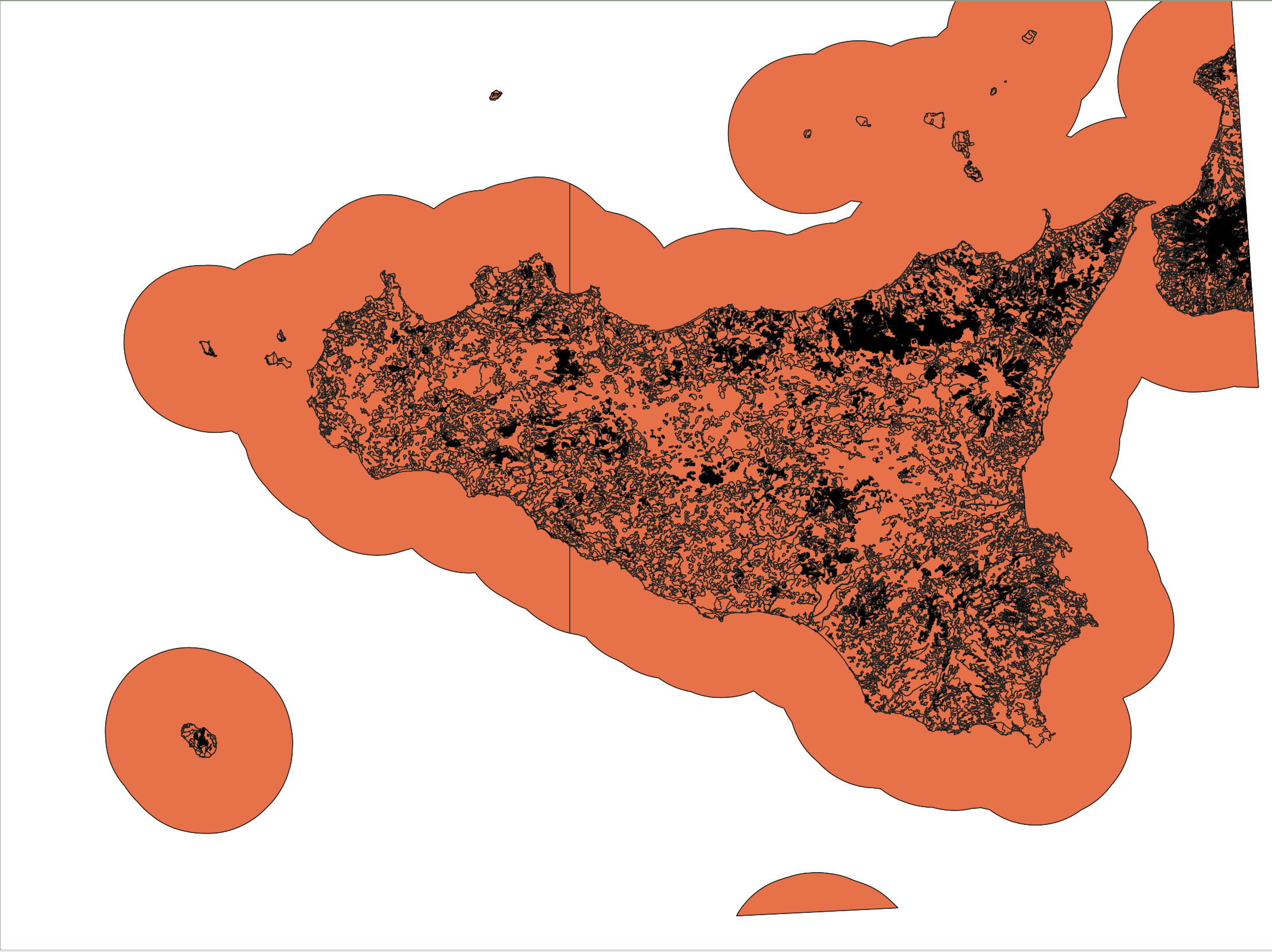
2012-2018 Forest Cover Change
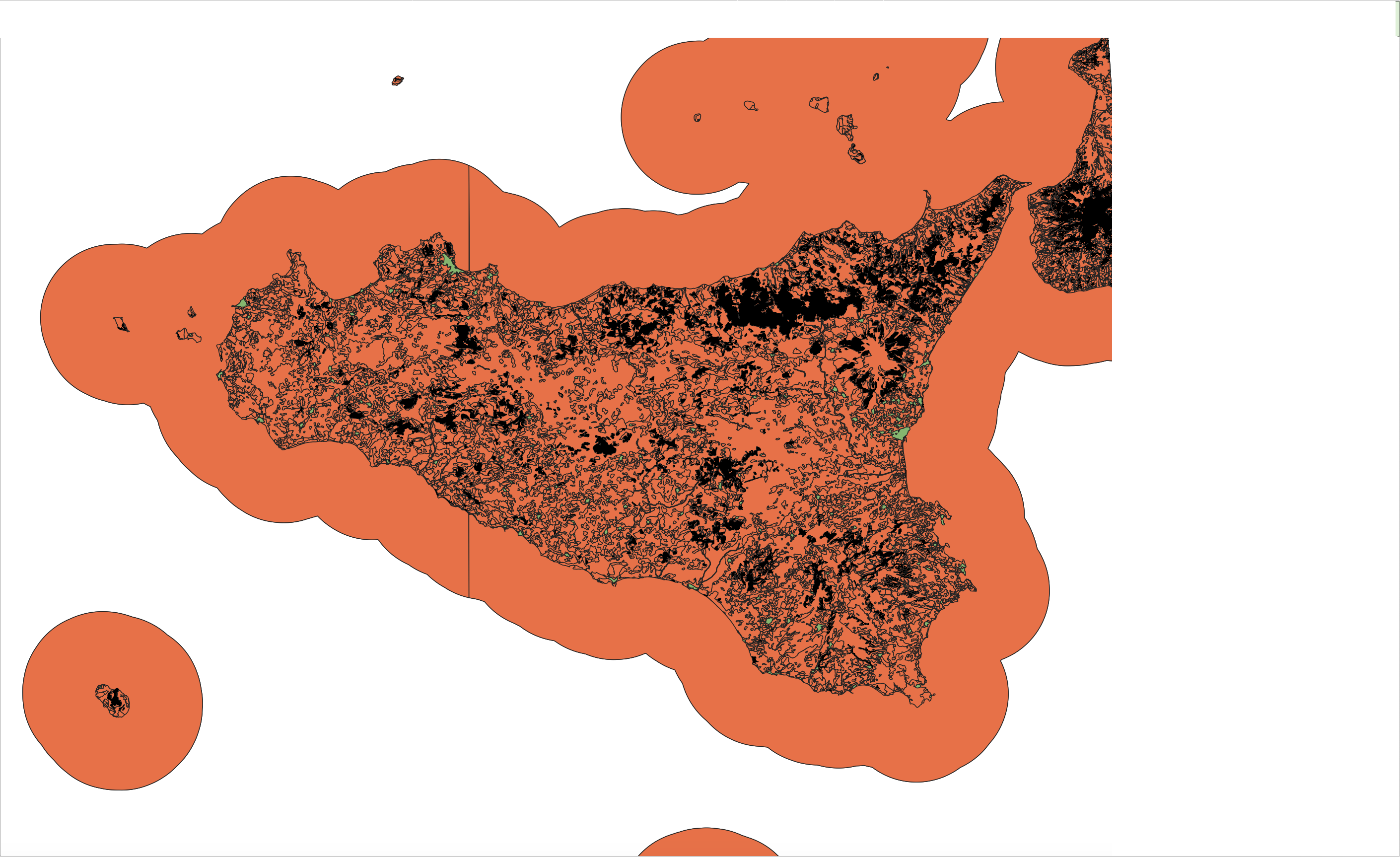
NDVI on the 2010 Winter Solstice
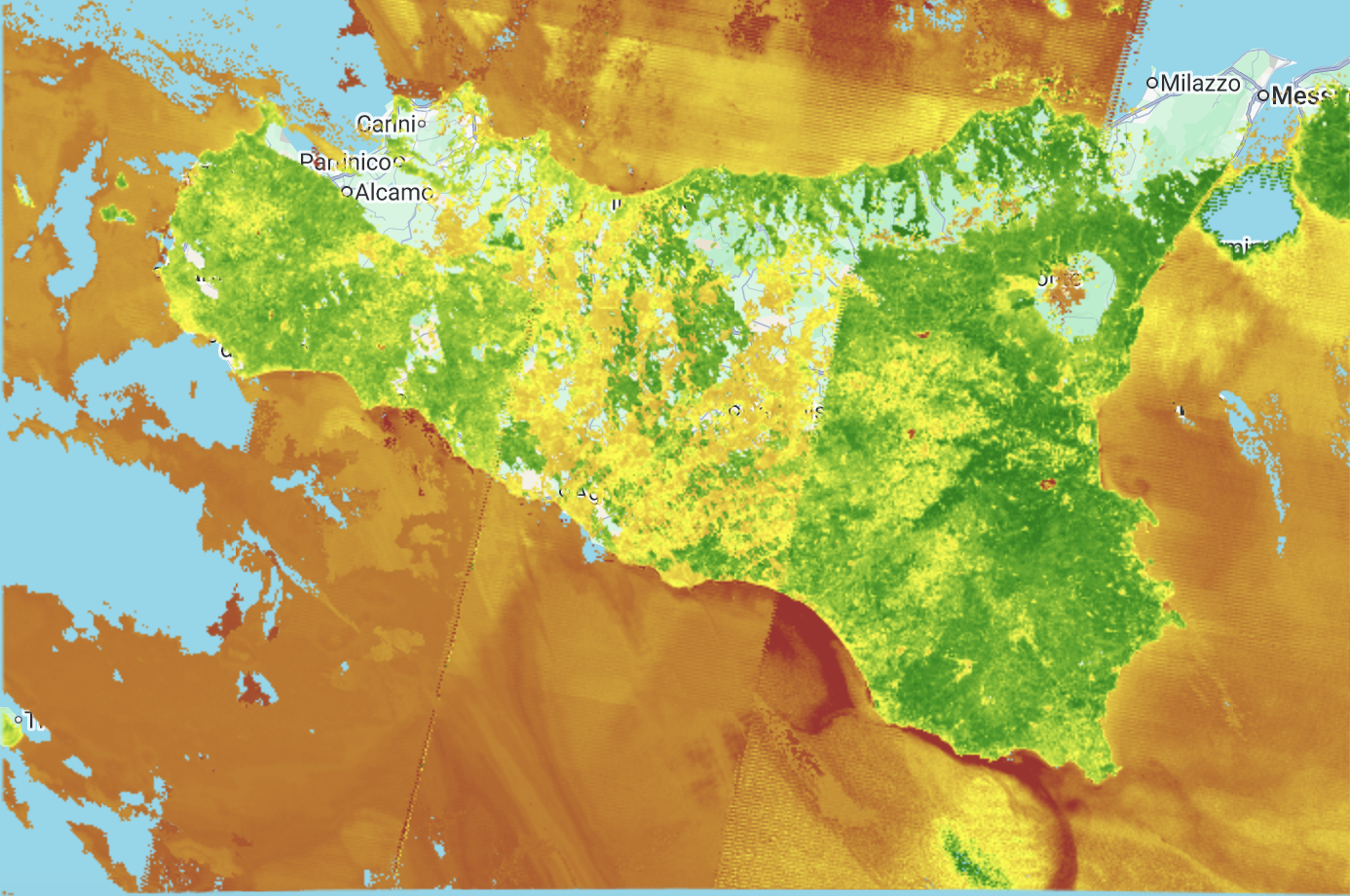
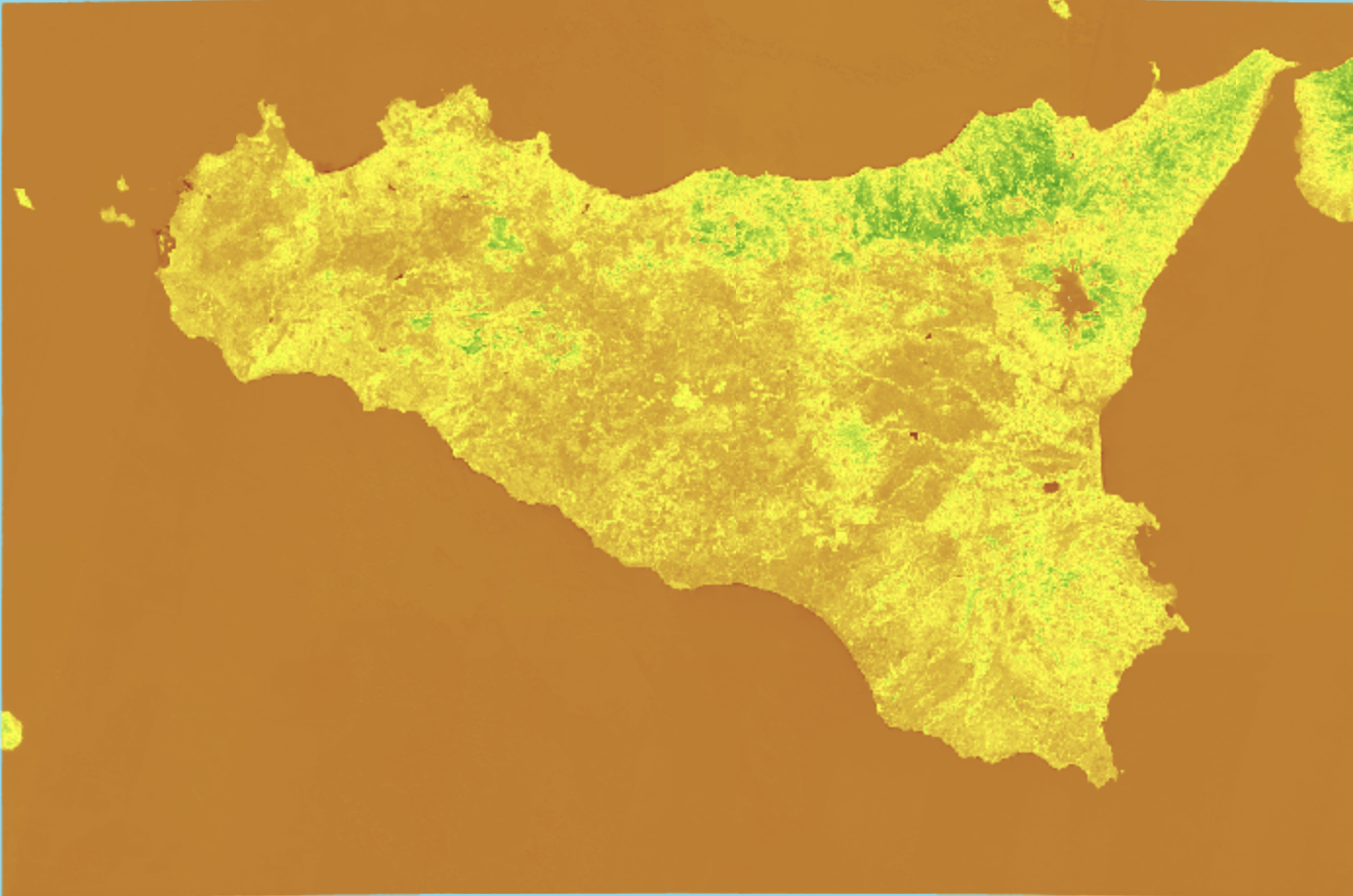
NDVI on the 2025 Winter Solstice
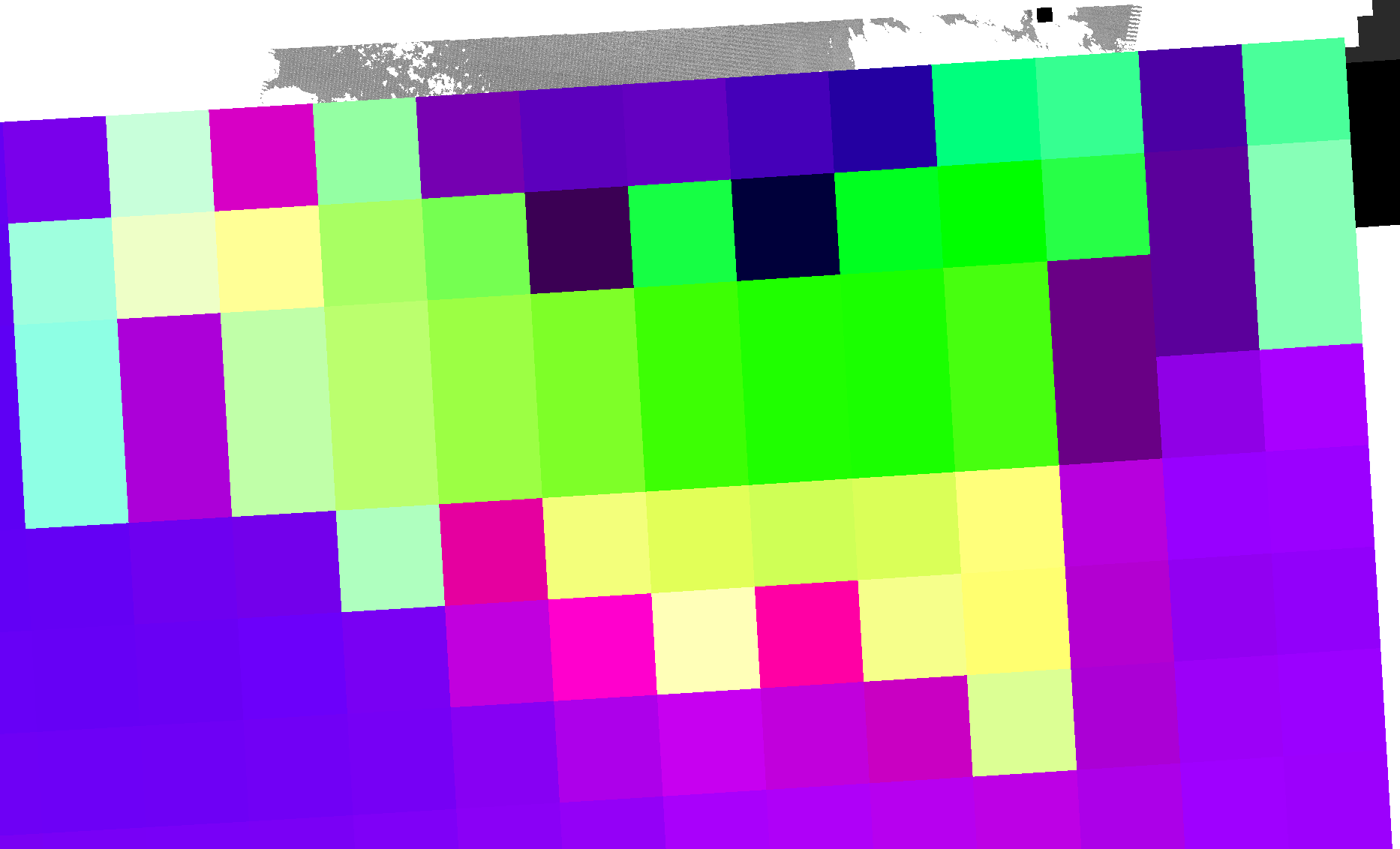
2025 Average Air Temperature at 2 m from the Ground
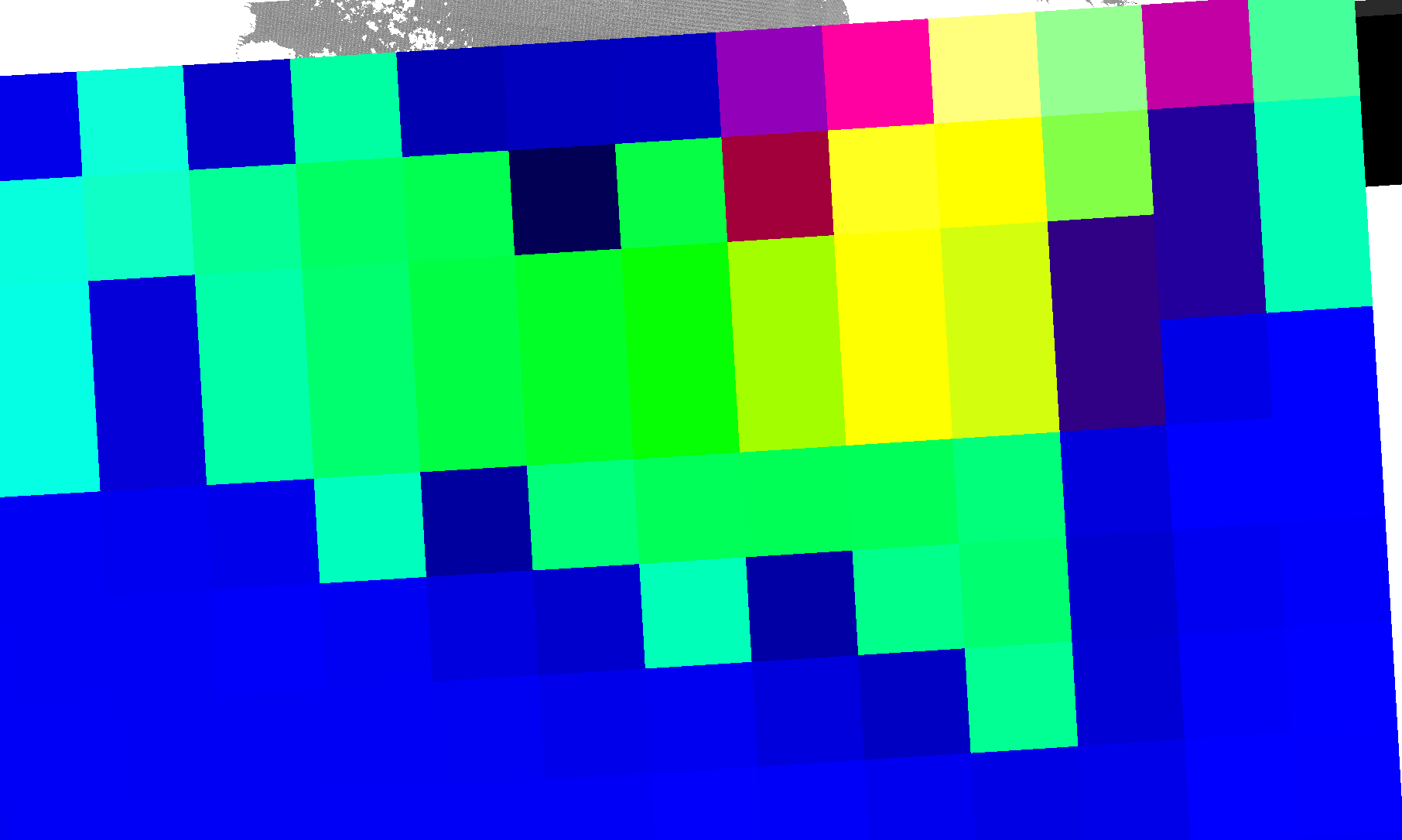
2025 Total Precipitation
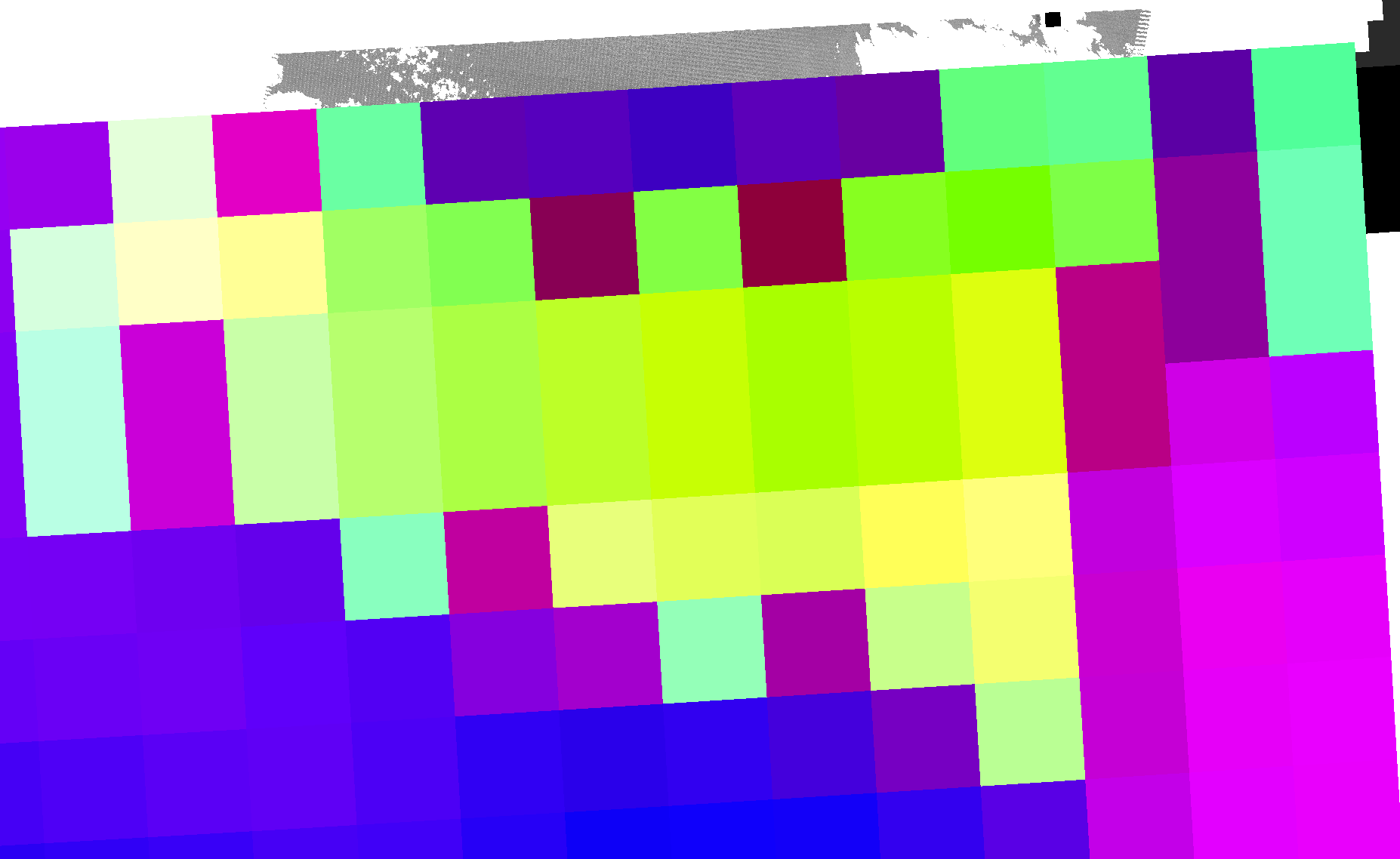
2025 Average Evaporation Rate
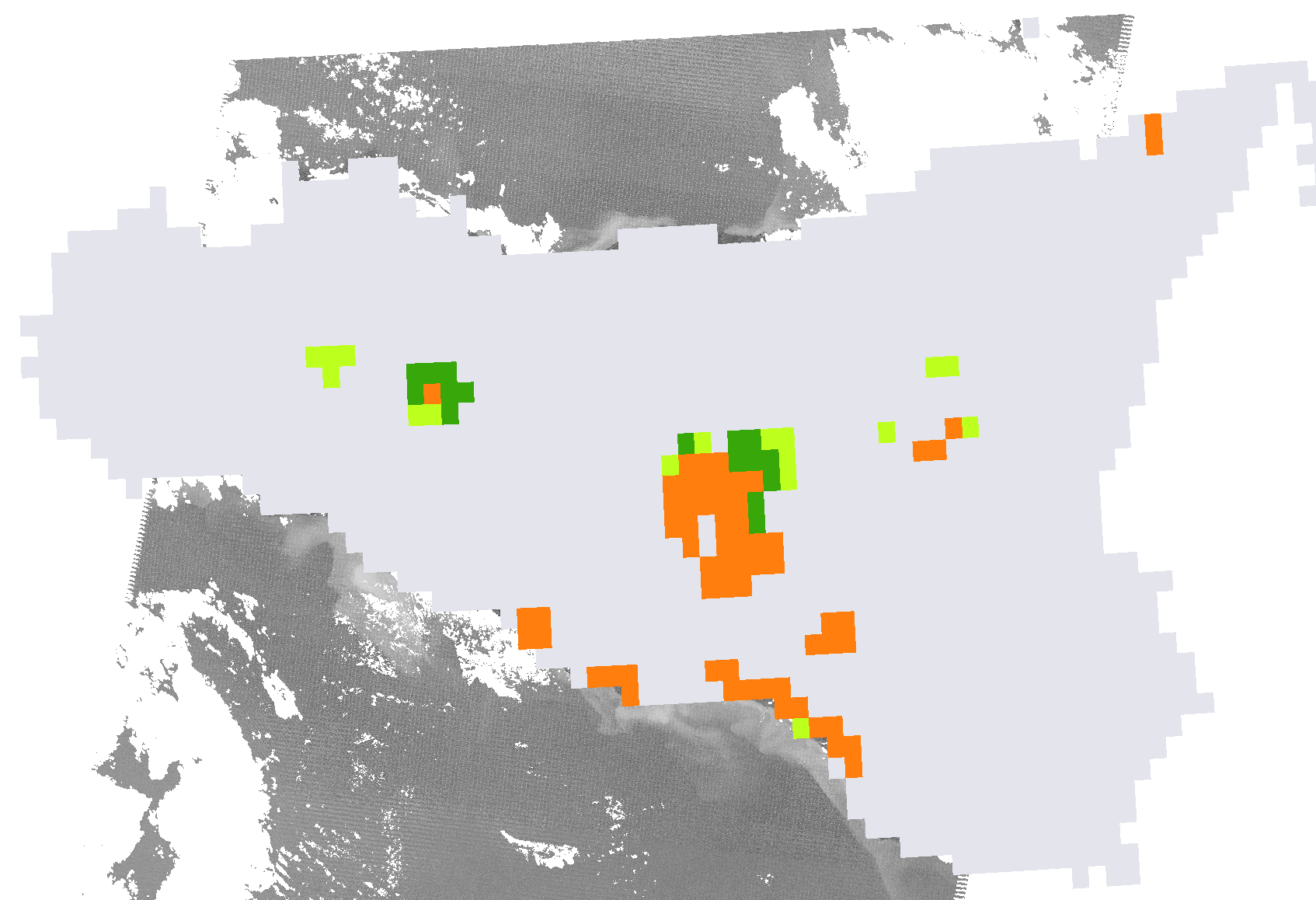
2025 Drought Intensity
Deforestation & Water Shortages in Sicily (2010–2025)
Chapter 1 — Why Look at Sicily?
Sicily is the largest island in the Mediterranean, known for its mountains, coastline, and hot, dry summers. Over the last decade, however, the island has struggled with severe water shortages. Cities have declared states of emergency, farms have suffered, and much of the island’s limited water supply has been stretched to the limit.
At the same time, Sicily has a long history of forest loss. Much of its original forest cover disappeared centuries ago, leaving scattered patches of woodland mainly in mountainous areas. This raised an important question for my project: Did forest loss contribute to the worsening water shortages between 2010 and 2025?
To explore this, I examined forest cover, vegetation health, drought intensity, and climate conditions over a 15-year period.
Chapter 2 — What the Forest Data Shows (2012–2018)
The first step was to examine forest cover using official maps from 2012 and 2018. Surprisingly, the results showed almost no change. Only about 1% of forest cover shifted during that time period.
The maps looked nearly identical, suggesting that recent forest loss is minimal. Based on this, forest cover alone was unlikely to explain Sicily’s growing water crisis.
Chapter 3 — Vegetation Tells a Different Story (2010–2025)
Since forests had barely changed, I turned to vegetation more broadly. Using satellite imagery, I analyzed NDVI—a measure of how green and healthy vegetation is.
Here, the patterns were much clearer. Between 2010 and 2025, vegetation across Sicily shifted noticeably. Some areas greened; others dried out or showed signs of stress.
Older satellite images from 2010 contained gaps and imperfections (a known issue with early Landsat sensors), but even with these challenges, the overall trend suggested real landscape change. Vegetation, unlike forest cover, appeared to be much more dynamic—and possibly connected to drought conditions.
Chapter 4 — What Drought Conditions Look Like in 2025
Next, I mapped drought intensity in 2025 using European Drought Observatory data. The resulting map showed a mosaic of conditions:
- Orange/yellow — areas with severe or moderate drought
- Green — areas that were recovering
- Grey — areas with no drought reports
These patterns provided a clear look at how widespread and serious water shortages were across Sicily in 2025.
Chapter 5 — Climate Patterns (2025)
To understand the broader context, I also looked at climate variables from 2025: air temperature, total rainfall, and evaporation. These datasets were coarse in resolution, but they still revealed important trends.
Sicily in 2025 was hotter, drier, and losing more moisture through evaporation. These climate stresses align with reports of record droughts across the island in recent years.
Chapter 6 — So, What’s Connected to What?
After comparing forest cover, vegetation change, and climate conditions with drought intensity, the patterns became clearer:
Forest cover did not show a meaningful relationship with drought intensity. This matched the earlier finding that forest cover barely changed during the study period.
Vegetation health (NDVI) showed a stronger connection. Areas that saw declines in vegetation were more likely to experience higher drought intensity.
Climate variables were strongly related to one another—unsurprising, since they are all influenced by the same atmospheric conditions.
Taken together, the results suggest that Sicily’s drought patterns are more strongly tied to vegetation stress and climate forces than to recent forest loss.
Chapter 7 — What This Means for Sicily
Overall, this project indicates that forest loss was not a major driver of water shortages between 2010 and 2025. Instead, changes in vegetation and increasingly challenging climate conditions played a much larger role.
This makes sense historically: much of Sicily’s forest loss happened long ago. Today, water scarcity is shaped by extreme heat, reduced rainfall, and increasing evaporation— all intensified by climate change.
Chapter 8 — What Could Be Improved Next Time?
Like any project, this one had limitations. Different datasets covered different years, early satellite images had quality issues, and some climate layers had very coarse resolution. NDVI layers also came from satellites with different spatial resolutions.
In the future, this study could be improved by:
- Using better-aligned datasets across time
- Adding hydrological modeling (like analyzing flow direction or watersheds)
- Using finer resolution satellite data
- Incorporating time-series analysis for a more dynamic view
Final Thoughts
This project was an opportunity to apply geospatial analysis to a real-world problem affecting my home region. Although forest loss was not a major factor in recent water shortages, the findings highlight something equally important:
Sicily’s water crisis is deeply connected to climate stress and changes in its vegetation—and understanding those patterns is key to protecting the island’s future.